Across Europe, hostility towards LGBTIQ+ people is growing. In parliaments, across broadcast media and on social platforms, targeted attacks and demeaning language are becoming more common, especially in political and public life. Each instance carries a wider impact: it weakens trust, deepens fear and harms democratic participation.
Against this backdrop, a new European initiative has been launched to support those working in politics and civil society with the tools, confidence and understanding needed to recognise, prevent and respond to hate-based language and behaviour.
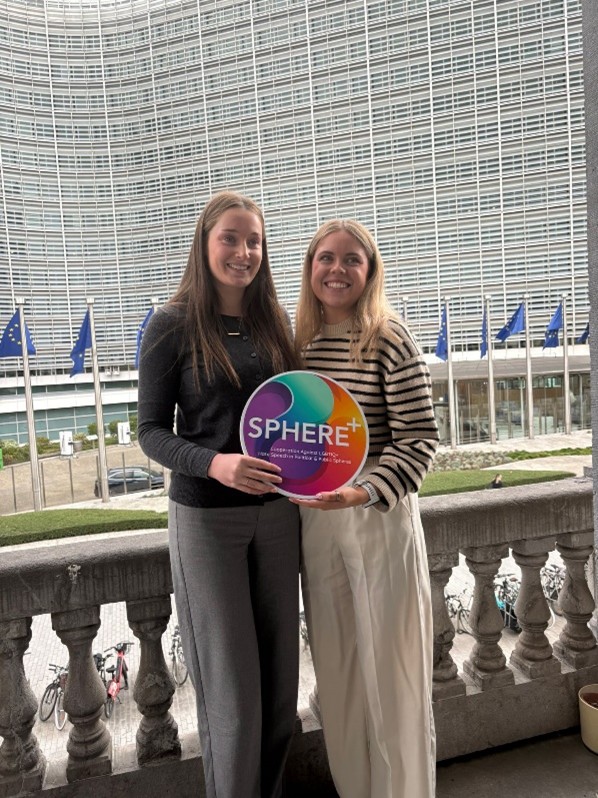
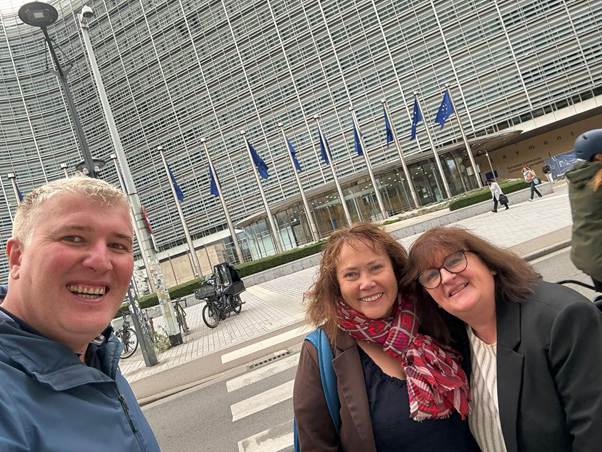
On 26 September 2025, the partners behind SPHERE+ – Cooperation Against LGBTIQ+ Hate Speech in Political and Public Spheres met in Brussels to begin a coordinated effort to counter anti-LGBTIQ+ hate speech and related hate crimes within political and public institutions. Strengthening collaboration between public figures and civil society organisations working on LGBTIQ+ equality is a core part of this mission.
Funded by the European Union’s Citizens, Equality, Rights and Values (CERV) programme, SPHERE+ brings together a diverse alliance of organisations working across human rights, education, research and community engagement. Through research, training and institutional cooperation, the project aims to make political and public life across Europe safer, fairer and more respectful.
Halimi Isuf of the Strasbourg-based European Centre for Human Rights (ECHR), the project coordinator, reflected on the scale of the challenge:
“Too often, politicians and public officials, the very people shaping public discourse, lack the tools or training to challenge hate when it appears around them. When discriminatory language becomes normalised, it signals that intolerance is acceptable. Through SPHERE+, we want to change that culture and build the confidence public figures need to speak out against hate.”
The launch meeting brought together partners working in different social and political contexts, from countries where hostility, misinformation and fear continue to shape the everyday experience of LGBTIQ+ people, to others where equality protections are more secure. This mix strengthens SPHERE+, ensuring its work reflects a broad range of European realities.
Who is involved?
A listening approach from the start
Partners have already gathered insights from more than 150 politicians and staff members, along with contributions from over 50 civil society organisations. This early research will inform the next stages of SPHERE+, ensuring that the project reflects the needs and experiences of those most affected by hate speech. Listening, dialogue and shared learning are core principles of the initiative.
The meeting in Brussels also featured contributions from key supporters and guest speakers. Their presence underlined the importance of political leadership, solidarity and education in countering hate.
Marc Angel, MEP and Vice-President of the European Parliament, emphasised the role of public figures in defending equality, describing civil society as “our best ally” in protecting democratic values.
Aleksa Savić, Director of Izadji (Serbia), shared an honest account of the challenges faced by activists, calling for stronger European cooperation.
Theodor Grassos, Secretary General of the European Association of Institutes for Vocational Training (EVBB), highlighted the potential of education and training to build empathy and inclusion.
What comes next?
In the coming months, SPHERE+ partners will continue gathering research, design training programmes and digital tools, and work with policymakers, civil society and communities across Europe. The aim is to support those shaping public life to adopt responsible communication, prevent harm and foster safer, more open dialogue.
About SPHERE+
SPHERE+ is co-funded by the European Union’s Citizens, Equality, Rights and Values (CERV) programme. The project will deliver:
Together, these actions will support democratic resilience and equip leaders to challenge hate and help build a more inclusive Europe.